Editor:
The New York–Pennsylvania Joint Interstate Bridge Commission agreement, established in 1919, mandates equal responsibility between Pennsylvania and New York for decisions involving the maintenance, repair, and replacement of bridges spanning the Upper Delaware River. This compact requires cooperative decision-making for all significant actions, including demolition, ensuring that neither state acts unilaterally without mutual consent and commission approval.
In light of this longstanding and binding covenant, Pennsylvania’s recent actions regarding the Skinners Falls Bridge raise serious concerns. Since its abrupt closure by PennDOT in 2019, the bridge has been left to rot without adequate maintenance or repair. Now, with PennDOT proposing to demolish the bridge using explosive charges, backed by Governor Shapiro, questions arise about whether the required collaborative process has been followed. Any decision to demolish or replace this bridge must consider public need, traffic flow, and environmental impact. It must also reflect the agreement of both states under the compact. Of course, the safety of the traveling public on land and on the water is paramount. But an adequate replacement must be put in place.
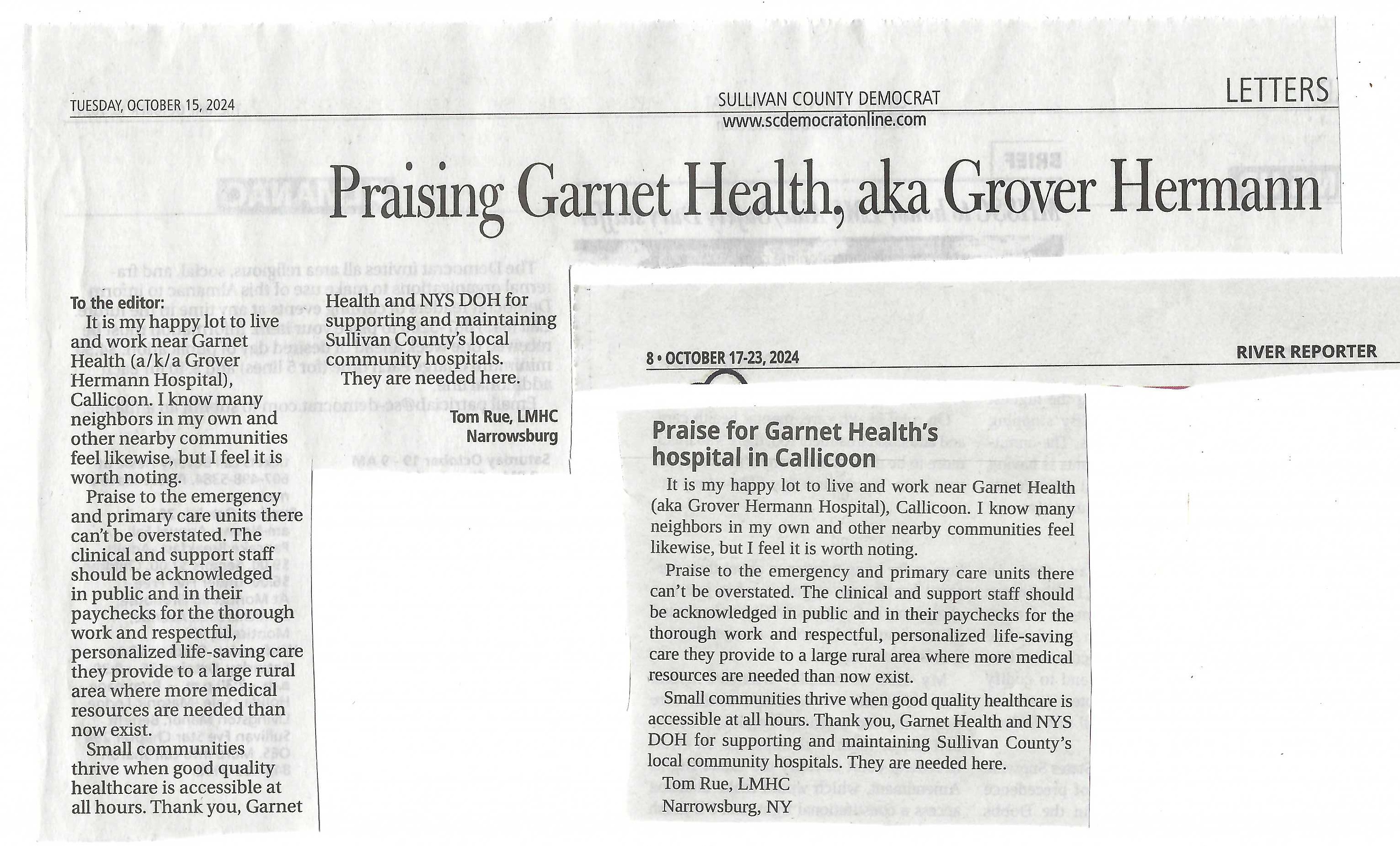
The highest role of government is protecting and serving society’s vulnerable. County legislators have failed in that duty, selling out seniors and privatizing clinical services at the Adult Care Center and downsizing Sullivan County Alcohol & Drug Abuse Services and other outpatient clinics almost to the point of abolition.
Hear Joe Jencks sing "??? ???? ????? ??? ???" at the link below. Joe will perform live on November 2nd at 7:30 presented by RiverVibes at The Cooperage at 1030 Main St., Honesdale, Pa. He will preach and sing the following morning, Sunday, November 3rd, at 10:15 am, to the Upper Delaware Unitarian Universalist Fellowship at the Narrowsburg Union. Tickets for November 2nd can be obtained here: thecooperageproject.org/events-news/joe-Jencks-concert/
from: Thomas Rue to: Senator Charles E. Schumer date: Jun 5, 2024, 11:09 PM subject: "Build Back Better" infrastructure support for Skinners Falls/Milanville Bridge
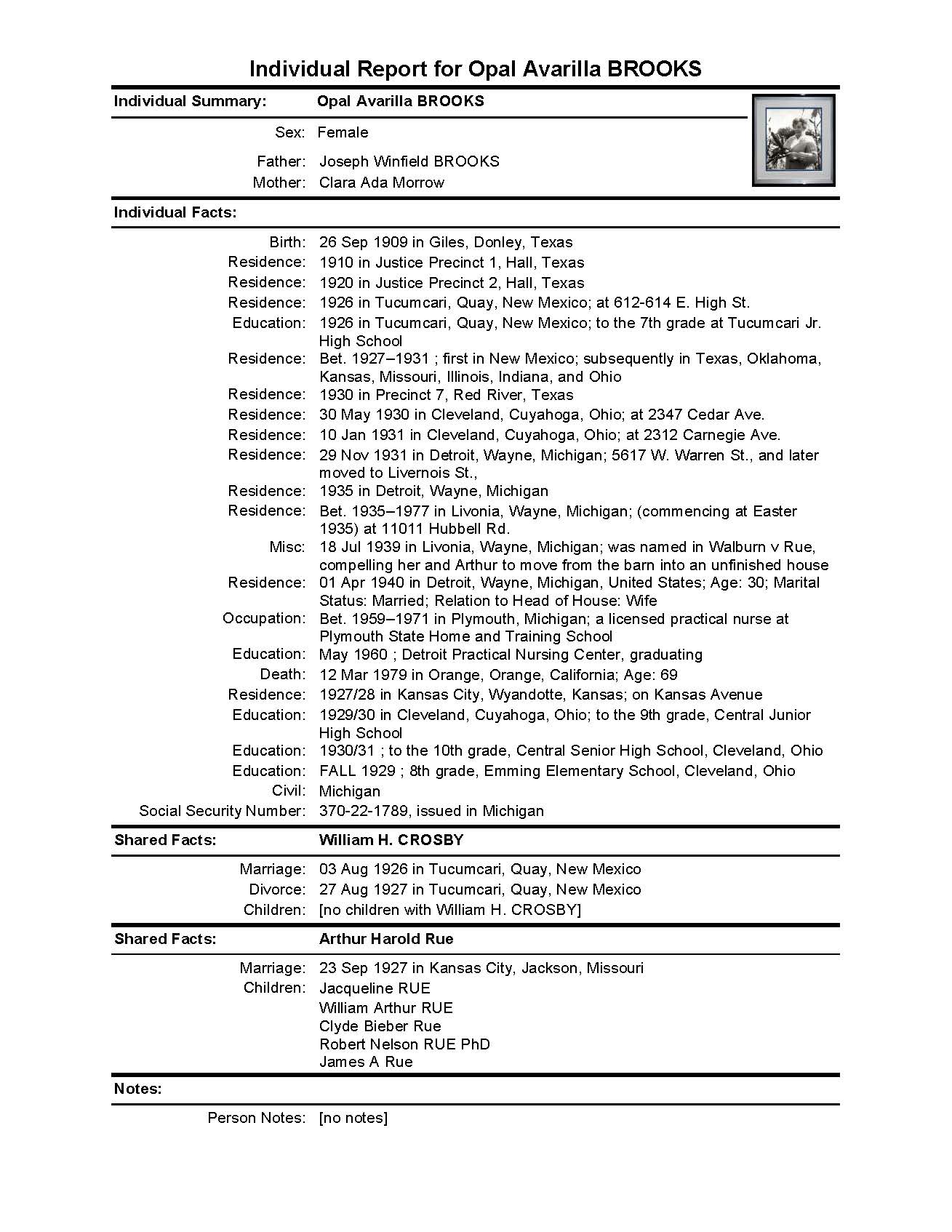
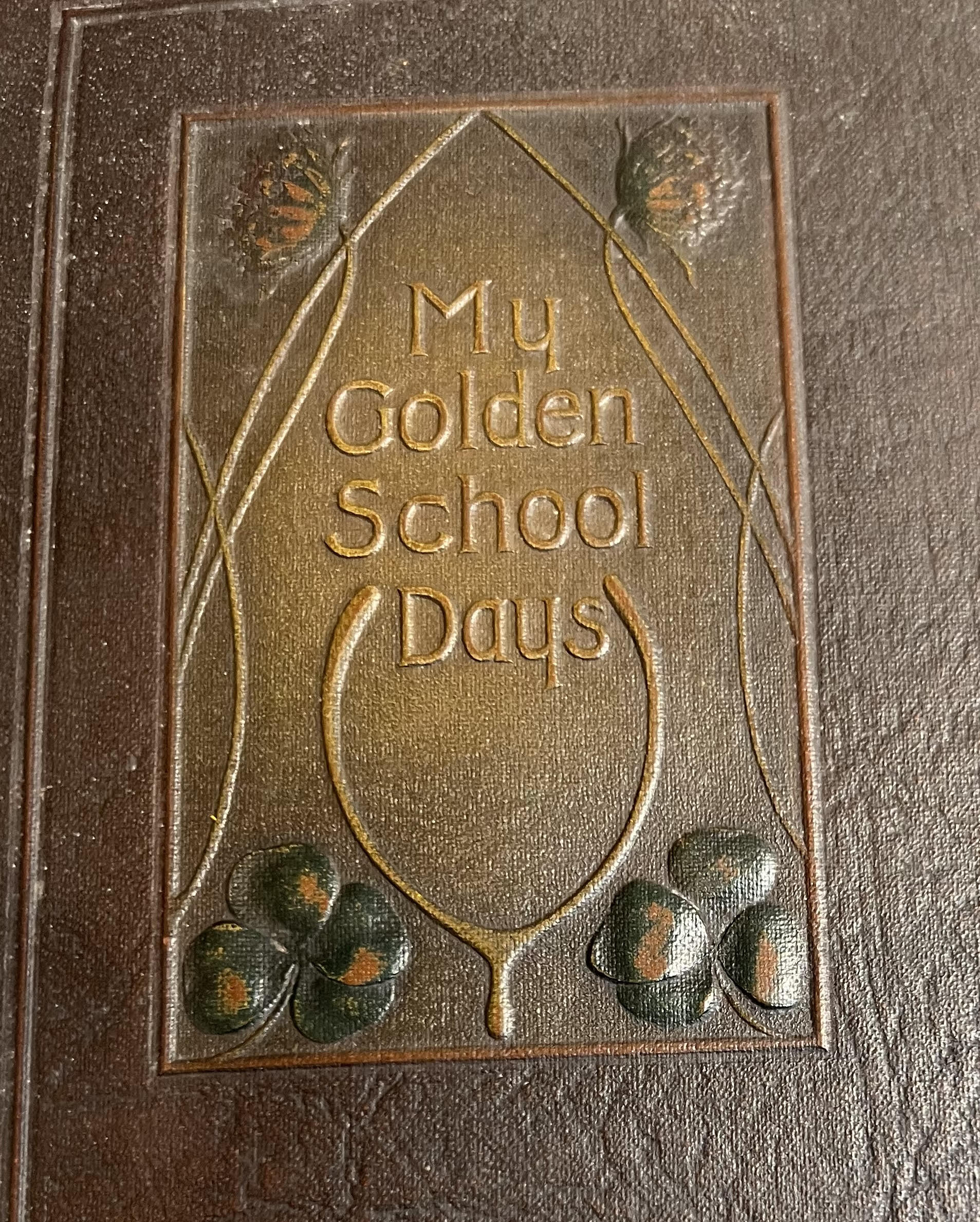
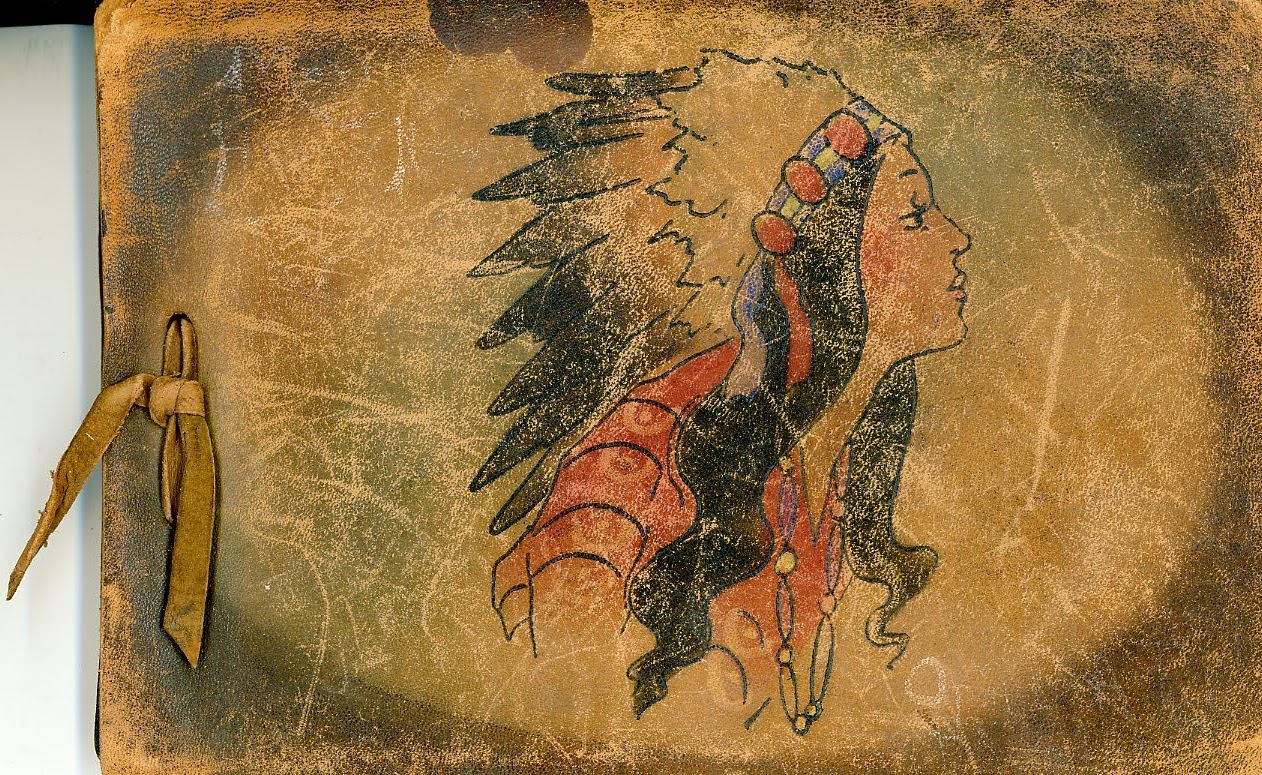
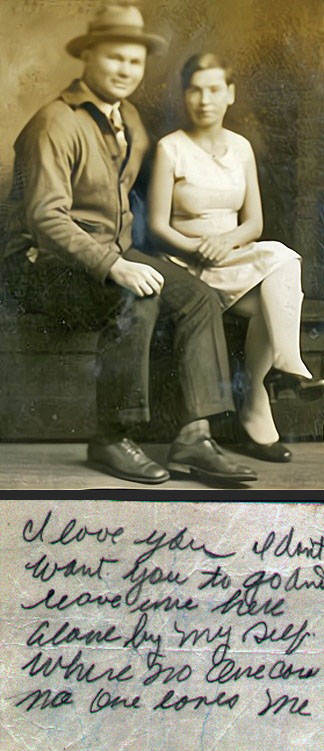
Here is another digitalized version of my grandmother’s (Opal Brooks Rue) photo album. The original is in my possession. This digitalized version is posted here: 1930-1931 Album of Opal Avarilla Brooks Rue, documenting her years with Arthur Rue who passed through the New Mexico town where she lived with her widowed mother. Arthur was traveling the country on trains after losing his hearing as a consequence of malaria when he and Opal first met. He had been a seminary student at Smith Bible College, followed by two years at Philips University in Enid, Oklahoma before dropping out without completing a degree due his hearing loss.
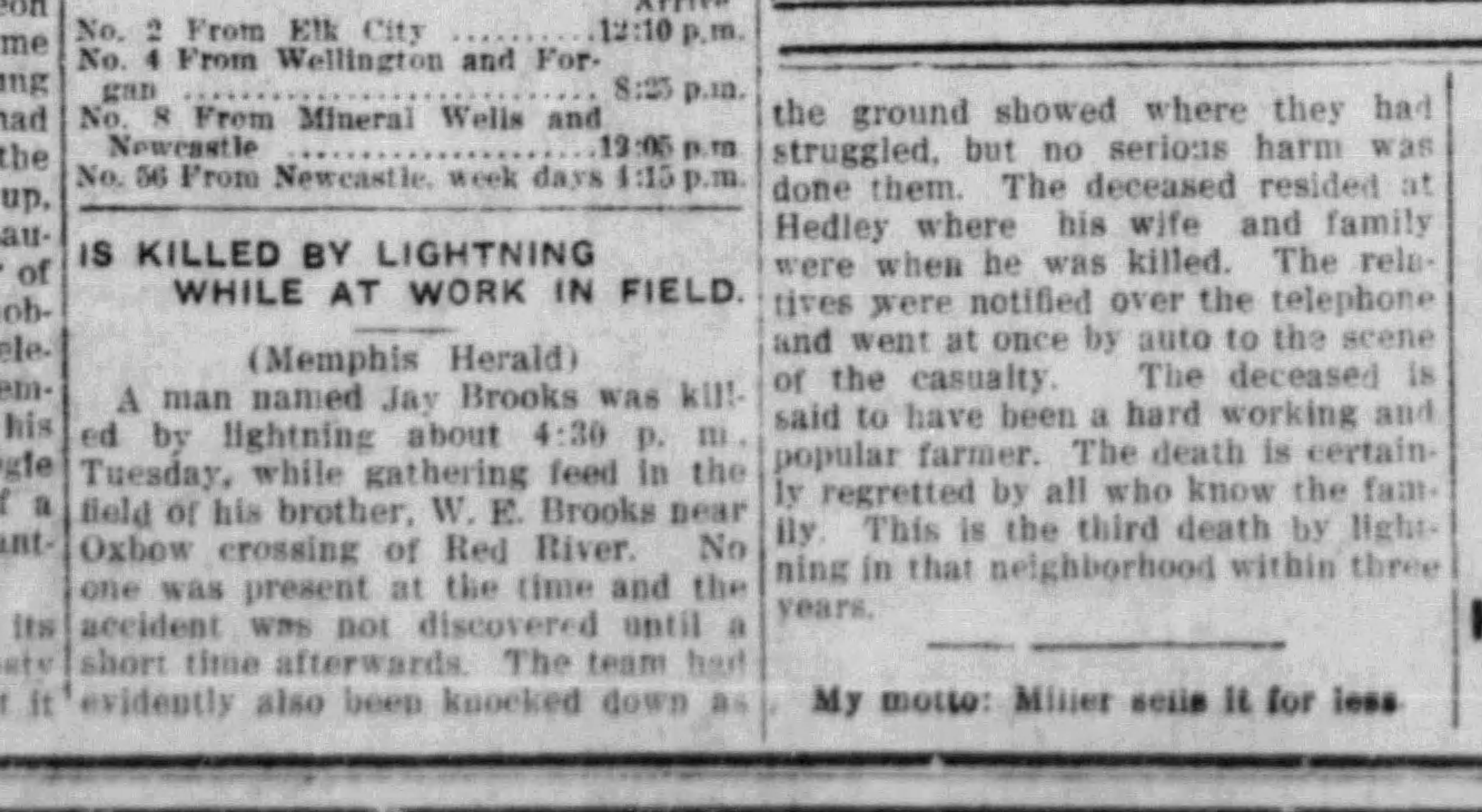
Opal was born in Giles, Texas on September 26, 1909 to Clara Ada Morrow Brooks and Joseph Winfield "Jay" Brooks. Her father was struck and killed by lightning in 1913, after which life was not kind to her mother.
Opal and Arthur married in Kansas City, Kansas on August 3, 1926, at age 16, still married to a man twice her age named William H. Crosby with whom she had first tried to escape life under her mother's roof in Tucumcari. Crosby beat her with a rope and a razor strap and forced her to drink mash whiskey, she told the Quay County District Court. Meanwhile, Arthur's travels took him to Tucumcari where he met Opal while staying with a pastor named Rev. Grace for whose child Opal babysat. Opal and Arthur hitchhiked to Kansas City, where they tied the knot. Her divorce from Crosby was finalized a year after she married Arthur on August 27, 1927, which may in part explain why she never mentioned the brief first marriage to the family she and Arthur later raised.
This album focuses mostly on the couple's life in Cleveland, where Opal completed school after giving birth to her first son on August 15, 1930 in that city. Opal graduated from Cleveland Central Junior High School, June 1930. She finished at the Detroit Practical Nursing Center in May 1960 and worked as an LPN at Plymouth State Home with developmentally disabled children.
Like Opal's brief marriage to Crosby, also not mentioned in two her albums (or to their children as they were growing up) was Arthur's first marriage to Ana Galan Sara, whom he wed on December 19, 1925, in New York City (less than a year before he married Opal), in a marriage that was never formally dissolved and of which no one at home ever spoke during the rest of his or Opal's lifetimes. Opal and Arthur were together for 46 years when Arthur died in 1973. Opal died six years later during 1979 in California. They are interred together in Livonia, Michigan where they spent most of their lives together.
In February 2024, I received an email from Christian Mericle of the Tucumcari, New Mexico, pointing me to the high school era Scrapbook of Opal Avarilla Brooks Rue, which had been created by my grandmother as a young woman. Christian had generously placed scans on his Google Photos account (see link to view the full book).
He explained: "The album was purchased from an eBay seller by Gary Gholson, who donated it to our collection because of the Tucumcari photos. If you’re interested in the seller’s name, I can find that for you," and asked if I had more "Tucumcari-area photos or other history you would be willing to share..."
I replied that I was curious as to the seller’s identity, recalling that my grandmother showed me this particular album when it was still in her possession about 1977 at her home in Livonia Michigan, during a visit on my way to college in a western state. Although she gifted me several other contemporary albums and papers at that time (which I also still have), I recalled, she told me that this one had special meaning and she was keeping it. She allowed me to take the album to the local public library at the time to make rather poor-quality a black and white photocopy, which I still (2024) have in my basement.
In response to the email, I felt pleased to know that local historians in her area had come across my grandmother's missing album and were preserving it, but the email did leave me curious how one of my grandmother's most valued personal albums found its way from her possession to Ebay. It had been my assumption that my uncle, Jim Rue, who provided close and loving support and care to his mother in her last years, probably had the missing photo album. However, that was not true. Someone else may have come into possession of it at one of the facilities where she was treated for leukemia and perhaps it ended up at a thrift shop before landing on Ebay. According to Christian, who found me on Google, via related genealogical information on this website, contacted me to share the album via this link, the seller was from San Juan Capistrano, California. I'm just glad that the album landed in a place that it is being preserved and shared with interested historians and genealogists. How it got there may remain a mystery.
A few months after this, in May 2024, Christian Mericle emailed me with this offer: "I spoke with the gentleman who donated Opal’s album to us. While having such an item in our collection is a privilege, we wanted to give you a chance to bring it back home to your family. If you’re interested, please let me know what you feel would be a fair donation."
Regarding its plans for the future archiving of the album, Christian Mericle introduced his group as Historic Tucumcari, as "...a fledgling historical group associated with a local church. The church’s vision for the program is to serve the community, not use it to proselytize. Unfortunately, we do not have the facilities to provide high-level archival care (e.g., climate-controlled vaults). Tucumcari’s oldest and most firmly established historical organization, Tucumcari Historical Society/Tucumcari Historical Museum, also falls short on this front. As to the album’s availability for researchers, it is available for viewing (currently, by appointment only)."
With gratitude for the digital images of the album that have been shared here.




 In February 2024, I received an email from Christian Mericle of the Tucumcari, New Mexico, pointing me to the high school era